
Custom Lanyard Buying Guide: Materials, Widths, Printing Methods & Attachments
Choosing the right custom lanyard is about more than putting a logo on a strap. Material, width, printing method, attachment, comfort, durability, and intended use can all affect the final product.
Whether you are purchasing custom lanyards for a trade show, corporate event, conference, school, sports event, festival, employee ID program, or promotional campaign, understanding these options can help you make a better purchasing decision.
In this custom lanyard buying guide, we will explain the key factors to consider, including lanyard materials, widths, printing methods, attachments, comfort, and quality.
What Are Custom Lanyards?
Custom lanyards are wearable straps that can be customized with a company’s logo, text, colors, patterns, or other artwork.
They are commonly used to hold:
ID cards
Event badges
Conference passes
Employee identification cards
Keys
Name tags
Access cards
Promotional items
Because lanyards are worn around the neck or wrist, they provide a practical way to display a brand while keeping an ID badge or access card easy to reach.
For promotional product distributors and businesses, custom lanyards can also provide long-lasting brand exposure because they are useful products rather than single-use advertising materials.
How to Choose the Right Lanyard Material
Material is one of the most important decisions when ordering custom lanyards. Different materials can affect the texture, appearance, durability, printing performance, and overall cost.
Polyester Lanyards
Polyester is one of the most widely used materials for custom lanyards.
It offers a practical combination of durability, consistent printing performance, and cost-effectiveness, making it suitable for both promotional and large-volume orders.
Polyester lanyards are commonly used for:
Trade shows
Conferences
Corporate events
Schools and universities
Sports events
Promotional campaigns
Employee ID programs
For buyers who need reliable performance at a competitive price, polyester is often a practical starting point.
Nylon Lanyards
Nylon has a smooth surface and can provide a more premium look and feel.
It may be suitable when appearance and surface texture are especially important. Nylon lanyards are often considered for corporate programs, premium promotional products, and applications where a smoother material is preferred.
When comparing polyester and nylon, consider not only appearance but also your printing requirements, budget, quantity, and intended use.
RPET Lanyards
RPET stands for recycled polyethylene terephthalate. Recycled polyester can be produced from recycled PET materials and used to manufacture products such as custom lanyards.
RPET lanyards can be an option for companies looking to incorporate recycled materials into their promotional products or event merchandise.
When choosing recycled materials, buyers should still consider the same factors as conventional materials, including durability, appearance, printing quality, and supplier production capabilities.
How to Choose the Right Lanyard Width
Lanyard width affects both appearance and functionality.
Common widths include:
10 mm – lightweight and minimalist
15 mm – compact and versatile
20 mm – a popular choice for branding and events
25 mm – provides more space for logos and detailed designs
A wider lanyard provides more printable or woven surface area, which can make logos and text easier to see.
However, wider is not automatically better.
For example, a narrow lanyard may be suitable for a simple logo or lightweight ID card, while a 20 mm or 25 mm lanyard may be more appropriate when brand visibility is a priority.
When selecting the width, consider:
The size of your logo
Amount of text
Intended application
Desired visual impact
Wearing comfort
Weight of the attached item
Your supplier can also recommend a suitable width based on your artwork and intended use.
Choosing the Right Lanyard Printing Method
Your printing method can significantly affect the appearance and durability of a custom lanyard.
The most suitable method depends on your artwork, number of colors, level of detail, material, quantity, and desired finish.
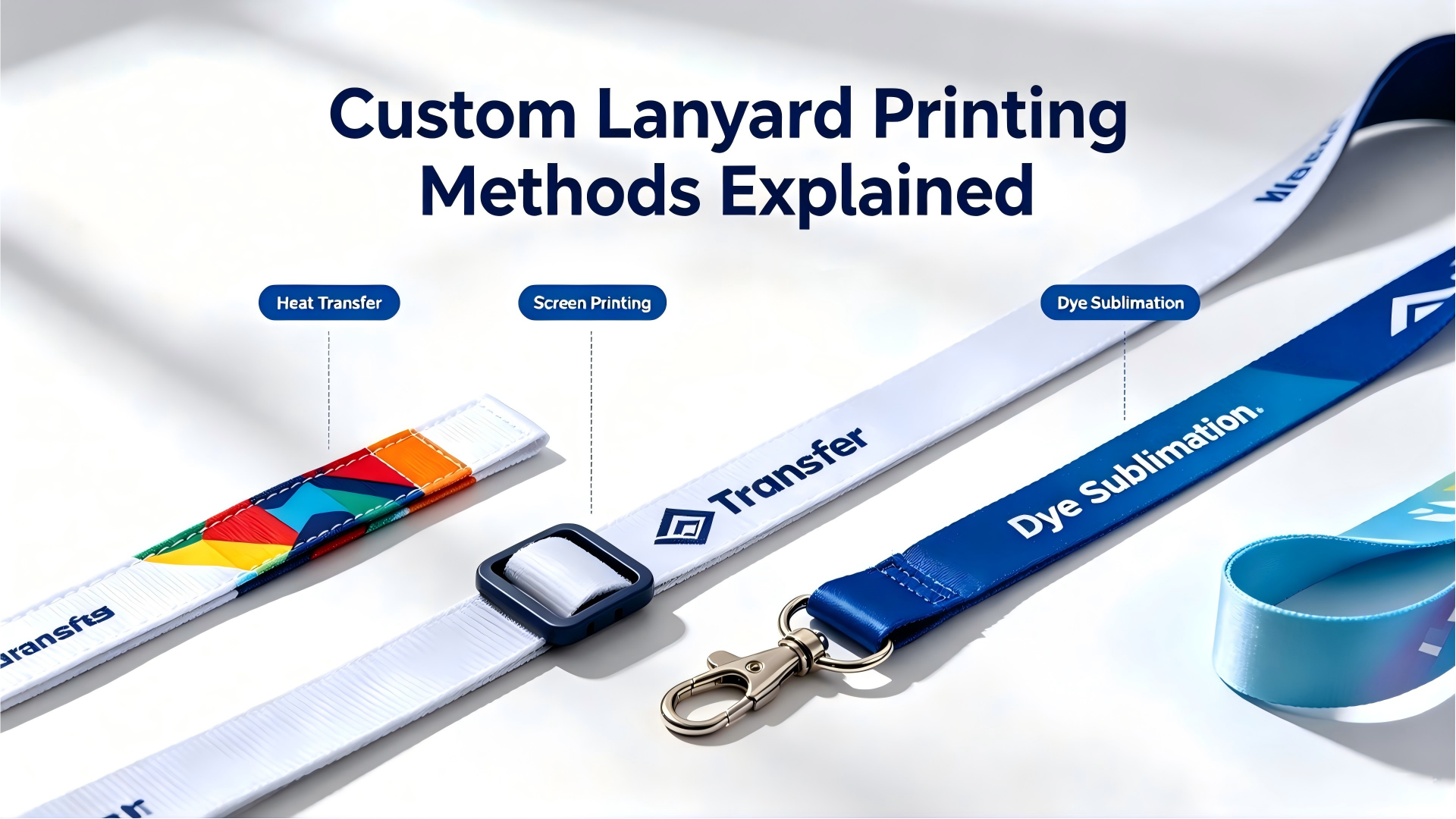
Dye Sublimation Printing
Dye sublimation is a popular choice for detailed and colorful custom lanyards.
The design is transferred into the fabric rather than simply sitting on the surface. This makes it suitable for:
Full-color artwork
Gradients
Detailed logos
Multiple colors
Complex patterns
Photographic-style graphics
Dye sublimation is particularly useful when a design requires a high level of visual detail.
Screen Printing
Screen printing is generally better suited to simpler designs with a limited number of colors.
It can be a practical solution for certain promotional applications where the artwork is relatively simple.
Before choosing screen printing, buyers should consider the number of colors, design complexity, material, and expected production volume.
Jacquard Weaving
Jacquard lanyards use woven construction to create the design directly within the structure of the strap.
This method can create a distinctive textured appearance and is often suitable for logos, text, and repeated patterns.
Jacquard weaving can be a good choice when the woven texture itself is part of the desired product appearance.
How to Choose the Right Lanyard Attachment
The attachment is the hardware or component used to connect the lanyard to an ID card, badge, key, or other item.
The right attachment depends largely on how the lanyard will be used.
Common options include:
J Hook
A J hook is a common attachment for ID cards and event badges. Its simple structure makes it suitable for many standard applications.
Alligator Clip
An alligator clip can provide a convenient way to attach a badge or name tag.
Swivel Hook
A swivel hook allows the attached item to rotate and can be useful when flexibility is important.
Metal Clip
Metal clips can provide a more substantial and professional appearance and are often selected for corporate or premium applications.
Safety Breakaway Buckle
A breakaway buckle is designed to release when sufficient force is applied to the lanyard.
It can be considered for environments where additional safety functionality is important.
Badge Reel
A badge reel allows the attached ID card to be extended without removing the lanyard, making it useful in workplaces where employees frequently scan or display access cards.
Don’t Forget Lanyard Comfort
A custom lanyard may be worn for several hours, so comfort is an important consideration.
A lanyard that looks attractive but feels rough or uncomfortable may not provide a good user experience.
Several factors can influence comfort.
Yarn Quality
The quality of the yarn can affect the softness, texture, appearance, and overall feel of the finished lanyard.
Webbing Construction
The weaving structure can influence flexibility, thickness, and surface texture.
Width and Thickness
A suitable balance between width and thickness can help the lanyard feel comfortable without compromising durability.
Attachment Weight
Heavy metal hardware may add weight to the lanyard. For long-duration events, the overall weight should be considered.
For this reason, lanyard quality should be evaluated not only by appearance but also by how the product feels when worn.
How to Choose the Right Lanyard for Different Applications
Different applications may require different specifications.
Trade Shows and Conferences
For trade shows and conferences, brand visibility is often a priority.
A practical combination could be polyester, a 15–20 mm width, dye sublimation printing, and a metal or standard attachment.
A full-color design can help display company branding clearly.
Corporate ID Programs
For employee ID cards, durability and comfort may be more important than highly complex artwork.
A suitable option could be polyester or nylon, a 15–20 mm width, simple branding, and a durable attachment.
If employees wear the lanyards every day, material feel and construction should receive particular attention.
Sports Events and Festivals
Sports events and festivals often use bright, colorful designs.
A possible combination is polyester, a 20–25 mm width, dye sublimation printing, and a durable attachment.
The larger surface area can provide more room for event names, sponsor logos, dates, and colorful graphics.
Eco-Conscious Events
For companies or organizations with sustainability objectives, recycled polyester may be worth considering.
A possible combination is RPET, customized printing, and a suitable attachment.
However, buyers should always confirm the recycled-material specifications and certifications offered by their supplier when specific sustainability claims are required.
What Should You Prepare Before Ordering Custom Lanyards?
Before requesting a quotation, preparing the correct information can make the process faster and reduce misunderstandings.
Consider providing the following information.
Quantity
Let the supplier know your estimated order quantity.
Lanyard Size
Specify the desired length and width.
Material
Choose polyester, nylon, RPET, or another suitable material.
Artwork
Provide a high-resolution logo or artwork file whenever possible.
Vector formats such as AI, EPS, or PDF can make artwork preparation easier.
Printing Method
If you already know your preferred printing method, include it in your inquiry. Otherwise, ask your supplier for a recommendation.
Attachment
Specify the preferred hook, clip, buckle, or badge reel.
Packaging
If individual packaging or customized packaging is required, mention it before production.
Providing these details at the beginning can help your supplier provide a more accurate quotation and production timeline.
Common Mistakes When Ordering Custom Lanyards
Even a simple product can have unexpected problems if the specifications are not clearly confirmed.
Here are some common mistakes to avoid.
Choosing Based Only on Price
The lowest price does not necessarily represent the best value.
Material quality, printing quality, hardware, construction, packaging, and production consistency can all affect the final result.
Using Artwork That Is Too Small
Small text or complicated details may not reproduce well on narrow lanyards.
Always check whether your artwork is suitable for the selected width and printing method.
Ignoring Color Requirements
If brand colors are important, provide accurate color references and discuss color matching with your supplier before production.
Choosing the Wrong Attachment
A lanyard designed for an ID card may require a different attachment from one designed for keys or promotional items.
Ordering Without Confirming Samples
For large orders, requesting a sample or pre-production approval can help identify problems before mass production.
How Much Do Custom Lanyards Cost?
The cost of custom lanyards depends on several factors rather than one fixed price.
Important cost factors include:
Material
Lanyard width
Length
Printing method
Number of colors
Artwork complexity
Attachment type
Quantity
Packaging
Special requirements
In general, larger quantities can provide better unit economics, while premium materials, complex construction, specialized hardware, and customized packaging may increase the overall cost.
Instead of comparing suppliers only by unit price, buyers should compare the complete specification and total value of the quotation.
Conclusion: Choose the Lanyard Based on the Application
There is no single “best” custom lanyard for every project.
The right choice depends on the balance between material, width, printing method, attachment, comfort, durability, appearance, quantity, and budget.
For a simple promotional campaign, a standard polyester lanyard may provide an excellent balance of cost and functionality. For detailed branding, dye sublimation can offer more design flexibility. For a woven appearance, jacquard construction may be a better option. For sustainability-focused projects, RPET can provide a recycled-material alternative.
The most important step is to define how the lanyard will be used before choosing the specifications.
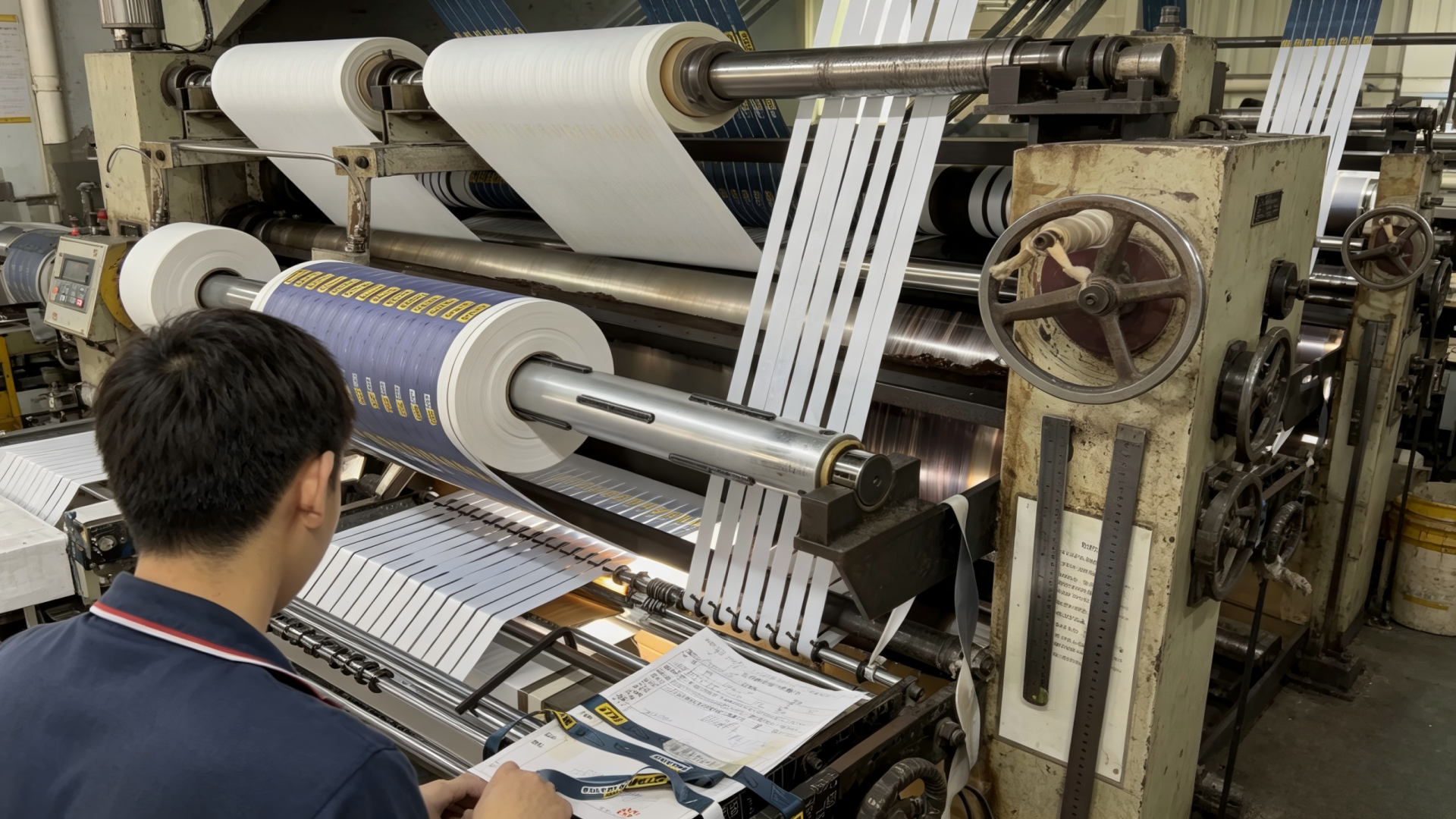
At Tianqiao, we manufacture custom lanyards with different materials, widths, printing methods, weaving options, and attachments. From artwork preparation and material selection to weaving, printing, cutting, sewing, and packaging, we work with customers to develop lanyards according to their specific requirements.
If you are planning a custom lanyard project, providing your quantity, artwork, preferred material, size, printing method, and attachment requirements will help us recommend a suitable solution for your project.