
Custom Lanyard Sample vs. Mass Production: What Buyers Should Know
When ordering custom lanyards, buyers often review a sample before approving mass production. A sample is an important step, but the finished bulk order may not look exactly the same in every detail.
Understanding the difference between sampling and mass production can help promotional product distributors, wholesalers, and brand owners make better purchasing decisions and reduce unexpected issues during production.
Why Is a Custom Lanyard Sample Important?
A custom lanyard sample allows buyers to check the product before committing to a larger quantity. It provides a physical reference for the material, printing, colors, size, attachments, and overall appearance.
For a new lanyard project, a sample can help confirm whether the design works well on the selected material and whether the hardware and dimensions meet the customer’s requirements.
A sample is especially useful when the order includes a new logo, complex artwork, special webbing construction, or customized hardware.
Instead of using one standard wristband design, the customer wanted different customized styles to represent different activities and support a better event experience.
What Should Buyers Check on a Lanyard Sample?
Material and Webbing
The first thing to check is the material and overall feel of the lanyard.
Polyester and nylon can have different textures, softness, strength, and appearance. Buyers should also confirm the webbing width, thickness, weave structure, and finishing.
If the lanyard will be used for events, employee identification, promotional campaigns, or long-term brand use, the material should match the intended application.
Printing and Artwork
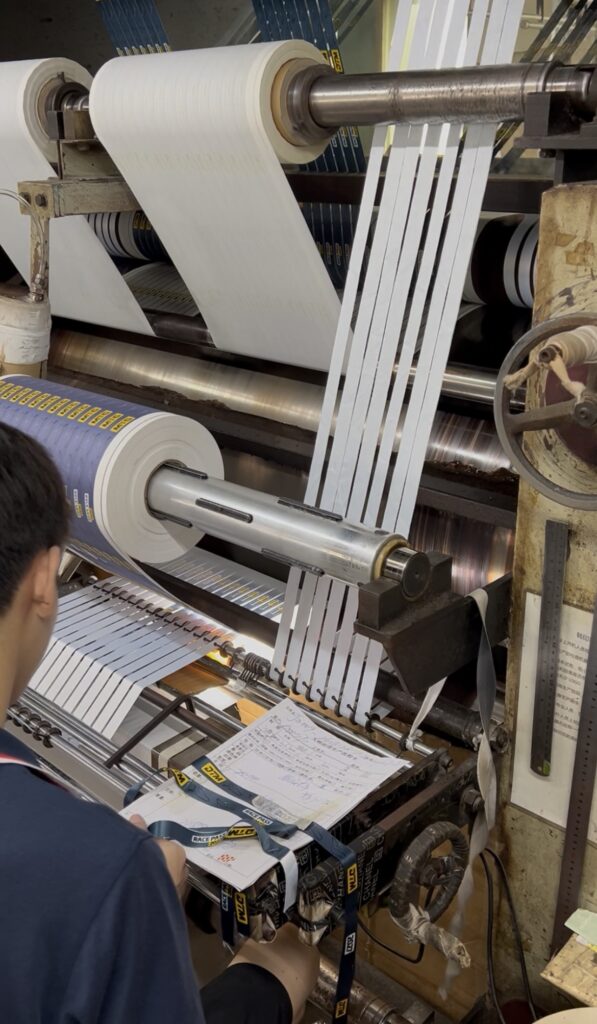
The sample is also an opportunity to check how the artwork appears on the actual lanyard.
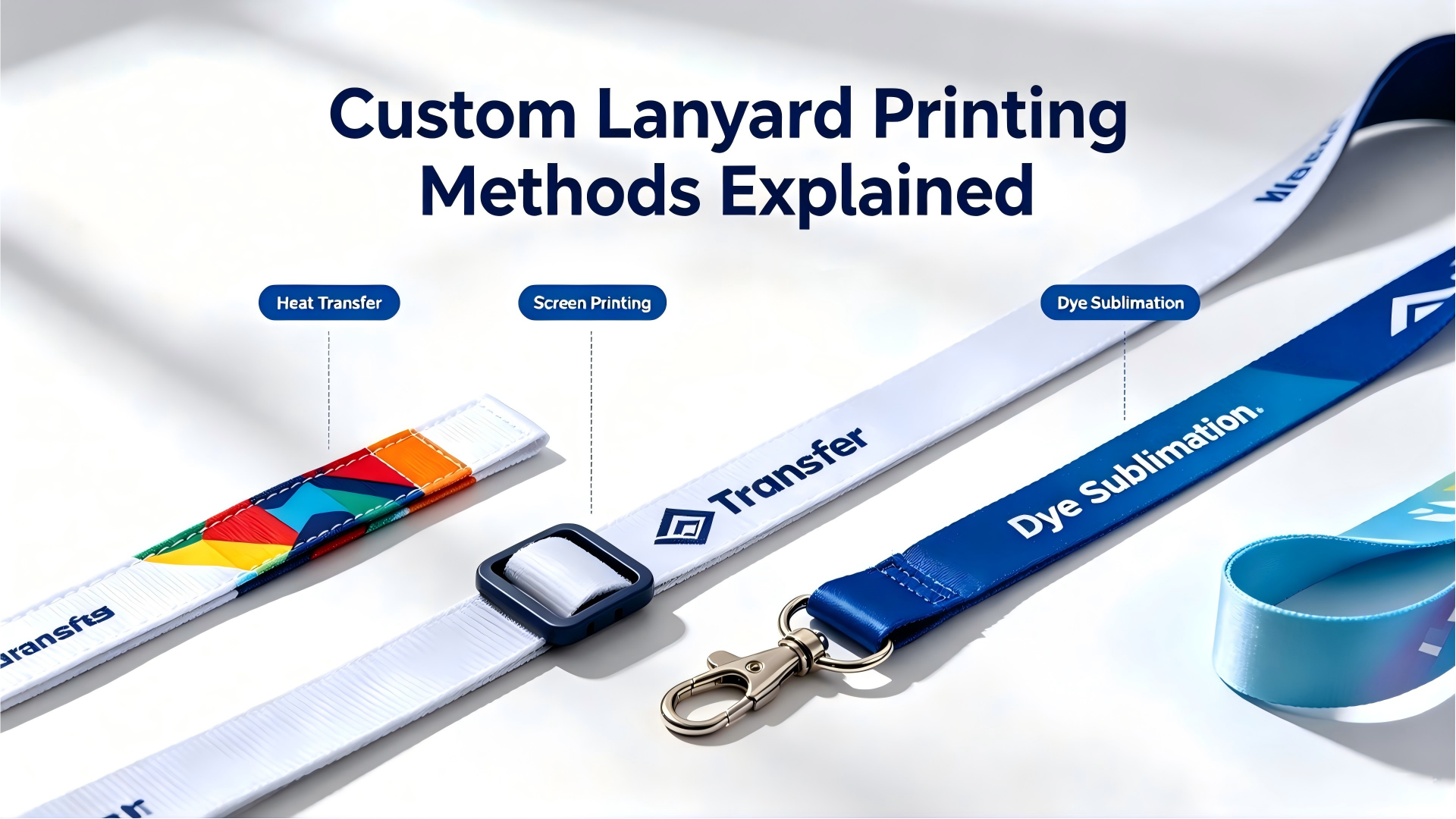
Depending on the project, printing may include heat transfer printing, screen printing, dye sublimation, or jacquard weaving.
Buyers should check:
Logo size and position
Text readability
Pattern details
Color appearance
Printing coverage
Front and back design
Repeating artwork alignment
Artwork that looks correct on a computer screen may appear slightly different when produced on fabric. A physical sample provides a more realistic reference.
Color
Color is one of the most important details to check before mass production.
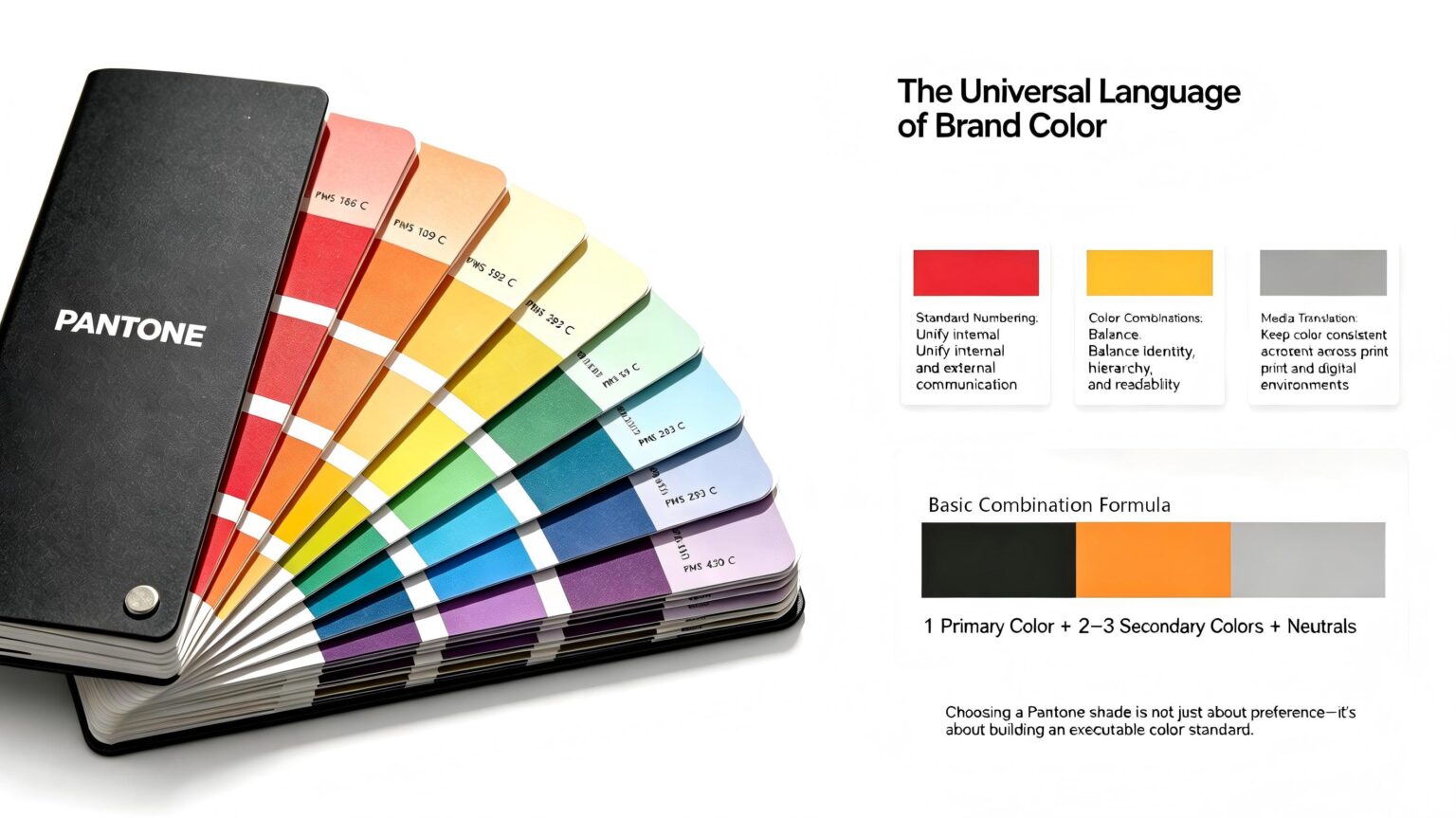
The color shown on a monitor can vary depending on the screen and display settings. For more precise color control, buyers can provide Pantone references or physical color samples.
The sample can then be used to evaluate whether the selected color is suitable for the final product.
Hardware and Attachments
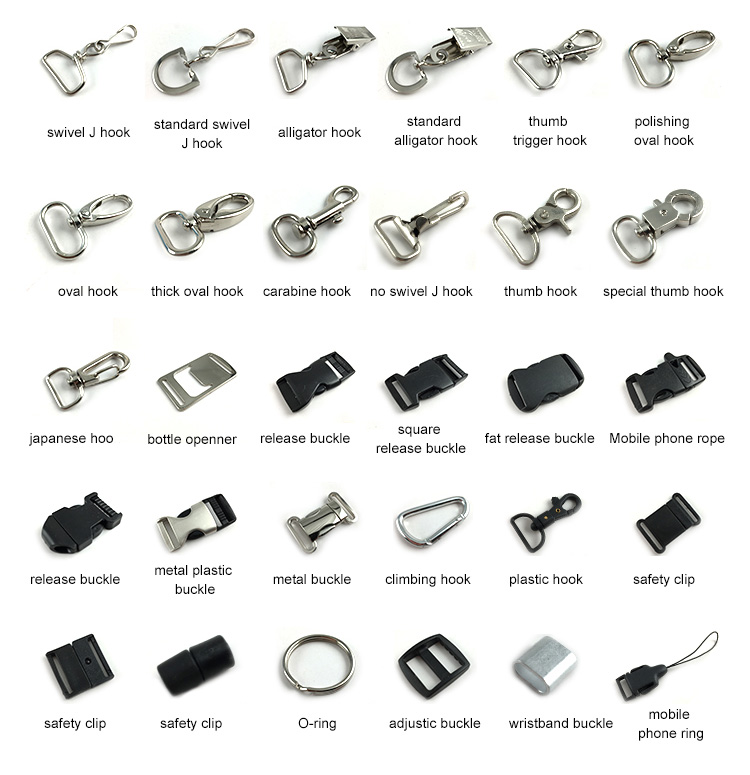
A custom lanyard is not only about the strap. Attachments also affect the appearance and functionality of the finished product.
Common options include swivel hooks, J hooks, alligator clips, safety breakaway buckles, badge holders, and other accessories.
Buyers should check the hardware type, size, finish, connection method, and compatibility with the intended use.
Why Can Mass Production Look Slightly Different From the Sample?
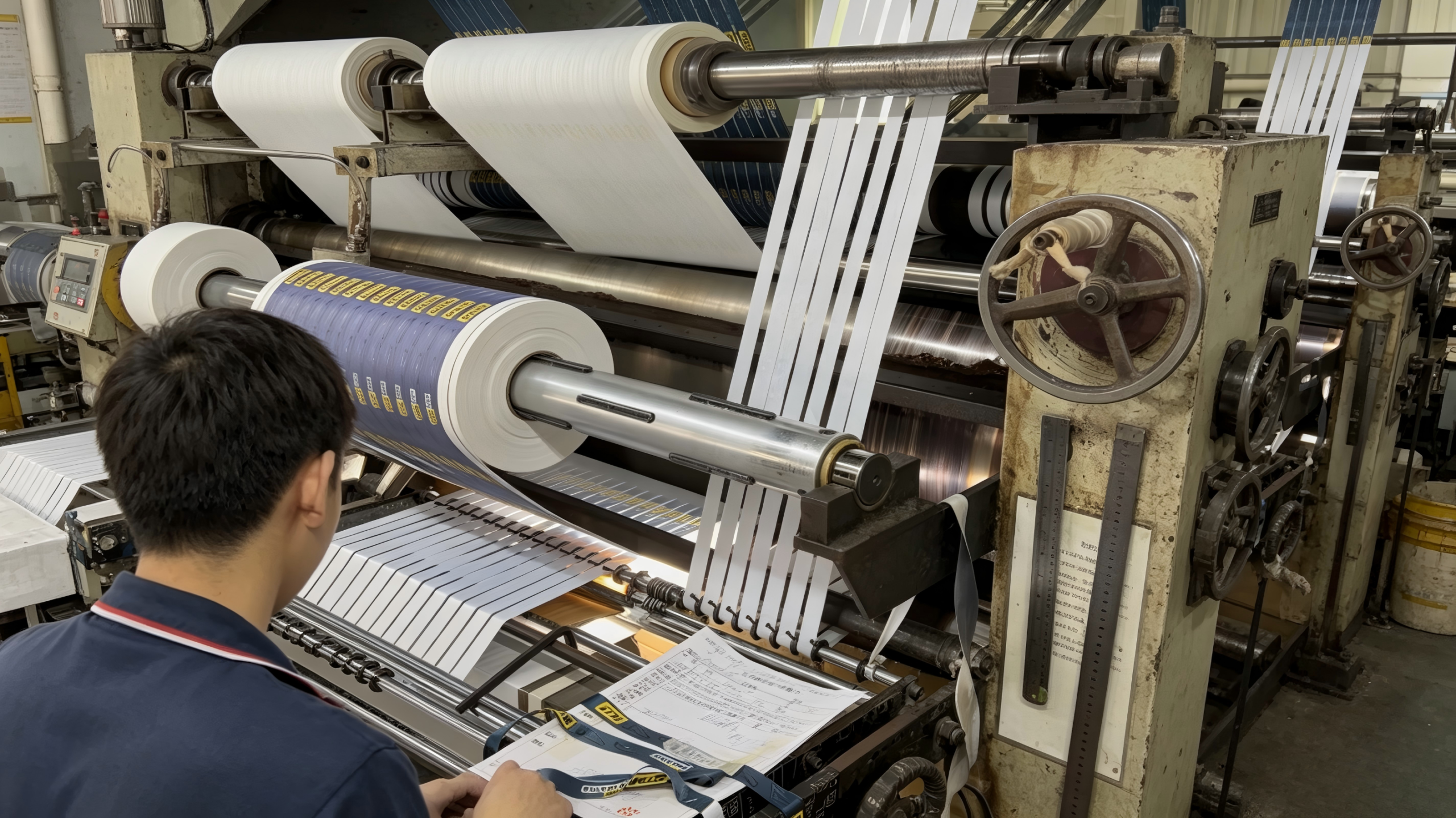
Even when the sample has been approved, mass production involves a much larger quantity and a continuous production process.
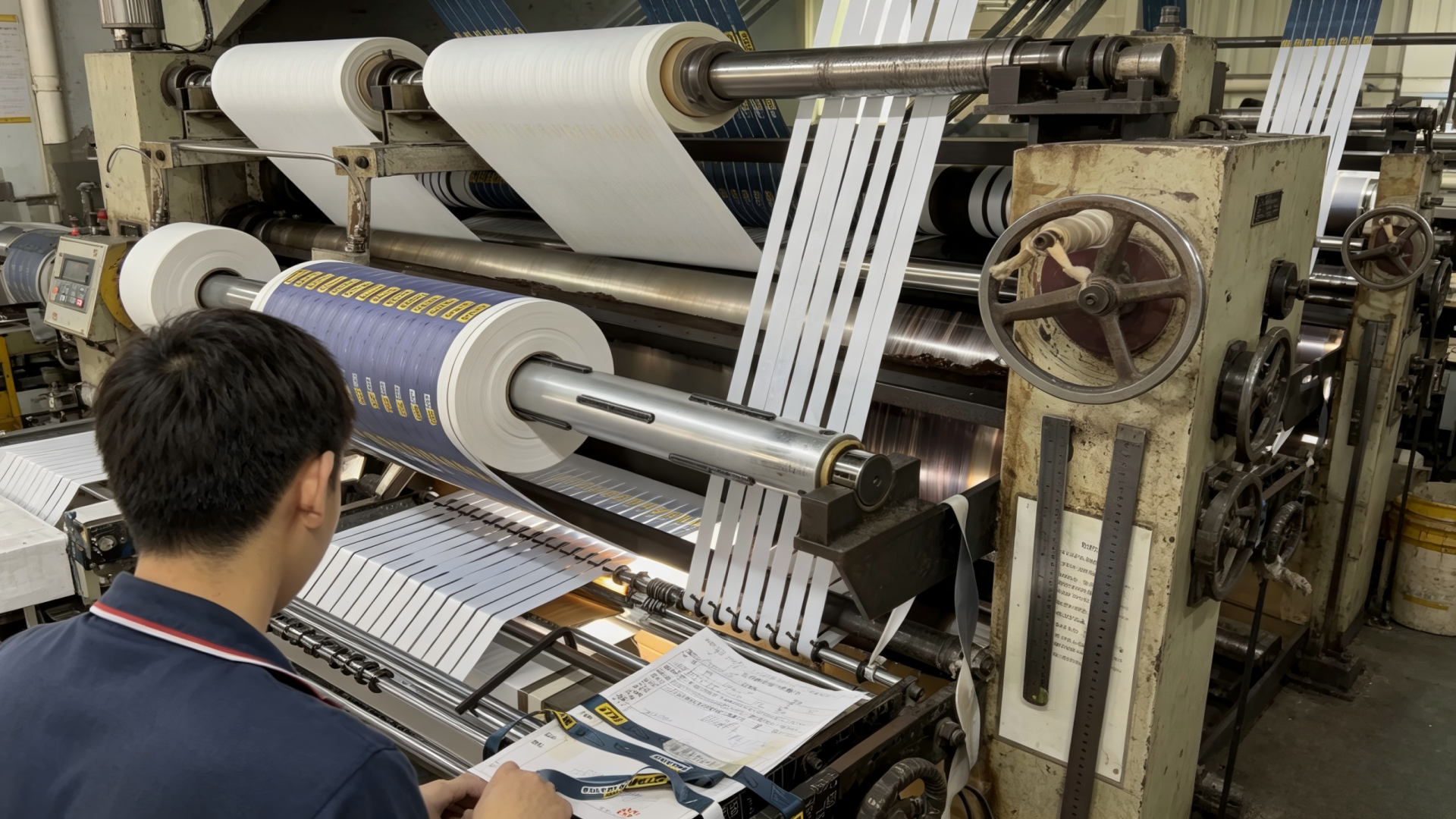
The sample may be produced on a smaller scale, while bulk production involves multiple stages such as weaving, printing, cutting, sewing, hardware assembly, inspection, and packing.
Small differences can sometimes occur because of normal production conditions.
Fabric and Dye Lot Differences
Textile materials can have minor variations between production batches.
For dyed webbing, the final color can be affected by the material batch and production conditions. This is why production teams need to control materials and compare the bulk production against the approved reference.
Printing Conditions
Printing results can also be affected by machine settings, temperature, pressure, printing speed, and material characteristics.
For example, dye sublimation transfers artwork onto the webbing through heat. Consistent production conditions are important for maintaining color and image quality throughout the order.
Cutting and Sewing
After printing or weaving, the webbing needs to be cut and assembled.
The cutting length, folding position, stitching, and attachment position all need to follow the approved specifications.
For larger orders, production workers and QC staff need to continuously check the products to prevent small mistakes from becoming repeated problems.
Sample Approval Does Not Replace Quality Control
A sample is a reference, but it is not a substitute for production quality control.
During mass production, the finished lanyards should be checked against the approved specifications.
Important inspection points can include:
Webbing material
Width and length
Color
Printing position
Logo and artwork
Stitching
Hardware
Attachment position
Quantity
Packaging
For custom orders, quality control is especially important because the product is made according to the buyer’s specific requirements rather than a standard specification.

How Buyers Can Make Sample Approval More Effective
A clear approval process can reduce communication problems between the buyer and manufacturer.
Provide Complete Artwork
Send the manufacturer the final artwork whenever possible. Vector files or high-resolution artwork can help reduce problems with logos, small text, and detailed patterns.
Confirm Specifications Before Sampling
Before making the sample, confirm the key specifications, including:
Lanyard material
Width
Length
Printing method
Printing sides
Colors
Hardware
Attachment position
Quantity
Packaging requirements
This reduces the chance of making a sample based on incomplete information.
Keep the Approved Sample as a Reference
Once the sample is approved, it should be kept as a production reference.
For repeat orders, the approved sample can also help the manufacturer understand the buyer’s expectations and maintain consistency between different production batches.
Communicate Acceptable Tolerances
Not every textile product can be manufactured with zero variation.
Buyers and manufacturers should communicate reasonable tolerances for dimensions, color, printing position, and other production details before mass production begins.
Clear expectations make quality inspection more practical and reduce disputes after delivery.
Sample First, Production Second
For custom lanyards, sampling is an important bridge between artwork and mass production.
The sample allows buyers to evaluate the actual material, printing, colors, hardware, and construction before the full order enters production. At the same time, buyers should understand that textile manufacturing involves production tolerances and multiple processes, so the sample should be treated as an approved production reference rather than a guarantee that every individual piece will be visually identical.
A clear specification, approved sample, controlled production process, and proper quality inspection work together to produce consistent custom lanyards.
For promotional product distributors and wholesalers, this process can also make communication with their own customers easier, especially when working on custom branding projects with specific design and delivery requirements.
Final Thoughts
A custom lanyard sample is more than a preview of the finished product. It is a practical reference for confirming materials, dimensions, artwork, colors, printing, hardware, and construction before mass production.
The better the specifications and sample approval process, the easier it is for both the buyer and manufacturer to maintain consistency throughout the bulk order.
When purchasing custom lanyards, buyers should focus not only on the sample itself, but also on how the manufacturer manages materials, production processes, quality control, and communication from sampling to final shipment.