

What to Look for in a Reliable Lanyard Manufacturer
Choosing the right lanyard manufacturer is an important decision for promotional product distributors, wholesalers, and businesses that require custom lanyards in bulk. A reliable supplier does more than manufacture products. They help you maintain consistent quality, meet delivery schedules, and provide customized solutions that meet your customers’ expectations.
With so many suppliers available, how can you identify a manufacturer that is right for your business?
Here are seven important factors to consider before choosing your next lanyard manufacturing partner.
1. Check the Manufacturer’s Production Capabilities
A reliable lanyard manufacturer should have the equipment, production experience, and manufacturing capacity to meet your requirements.
Start by checking whether the supplier manufactures products in-house or outsources most of the production. Working directly with a manufacturer can provide better visibility into production schedules, customization options, and quality control procedures.
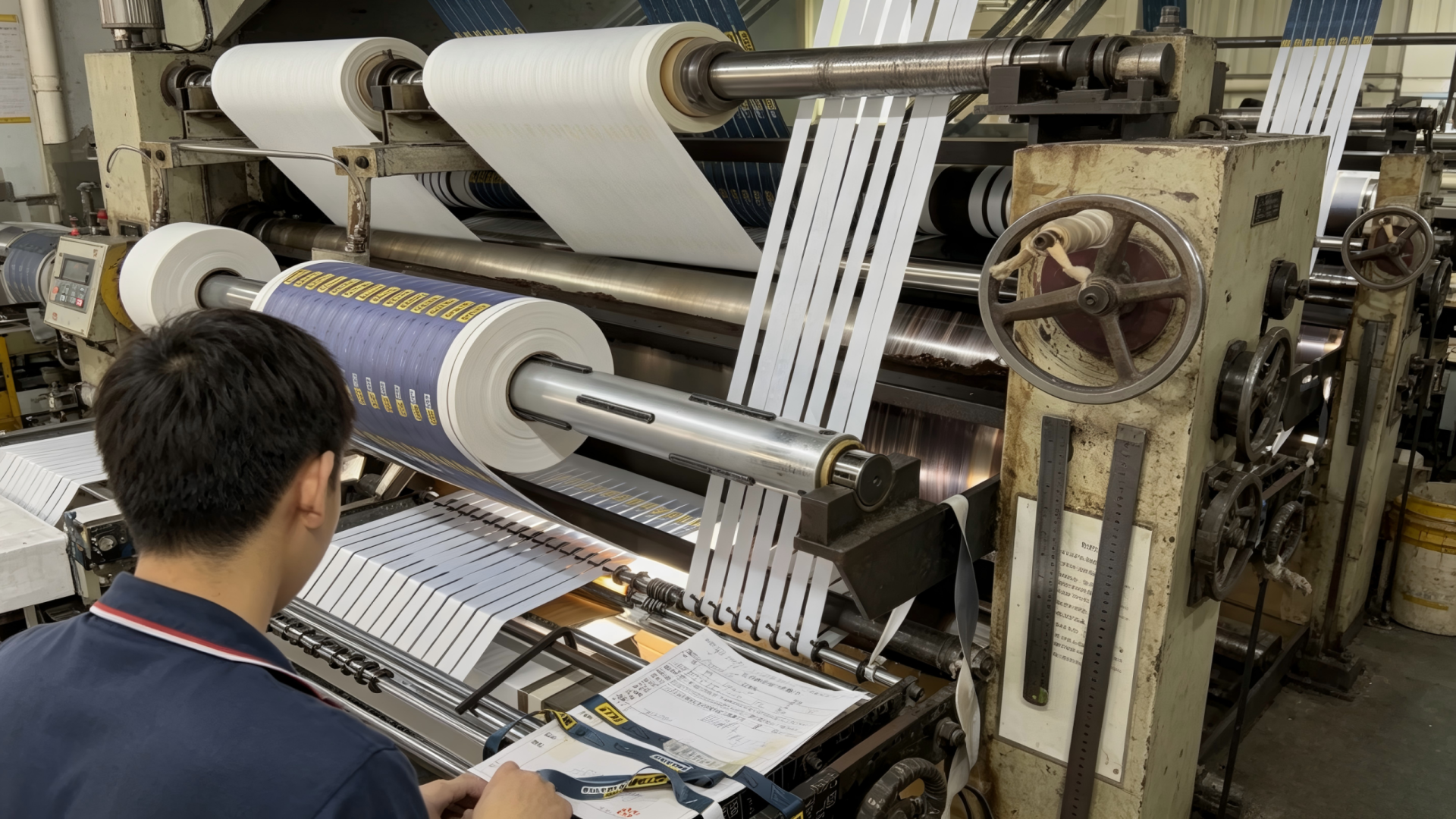
The custom lanyard manufacturing process may include several stages:
Yarn preparation and webbing weaving
Heat transfer printing or screen printing
Webbing cutting and length control
Sewing and attachment assembly
Final inspection and packaging
If you need different webbing widths, materials, printing methods, or accessories, make sure the manufacturer can accommodate your specifications.
At TQ Lanyards, we specialize in custom lanyards and webbing products, offering different widths, printing options, and attachment combinations for a variety of customer projects.
2. Evaluate Quality Control Procedures
Product quality is one of the most important factors when choosing a lanyard supplier. Inconsistent colors, unclear logos, uneven stitching, or poorly assembled attachments can affect the final product and your relationship with your customers.
Before selecting a manufacturer, ask how product quality is checked throughout the production process.
Important points to consider include:
Material inspection before production
Print clarity and logo placement
Color consistency between batches
Finished webbing width and length
Sewing quality and attachment assembly
Final product inspection before packaging
A dependable manufacturer should understand your quality requirements and confirm the relevant specifications before mass production begins.
It is also helpful to ask whether the supplier can provide samples for approval before proceeding with a bulk order.
3. Request Samples Before Mass Production
A digital mock-up is useful for reviewing a design, but it cannot fully demonstrate the actual material texture, print quality, color appearance, or attachment details.
Requesting a physical sample allows you to evaluate the product before committing to a larger order.
When reviewing a sample, check the following details:
Is the logo size and placement correct?
Are the colors close to the approved reference?
Does the material meet your expectations?
Are the webbing width and finished length accurate?
Are the selected attachments suitable for the intended use?
A professional manufacturer should be able to review your artwork, prepare a mock-up, and help you confirm important specifications before production.
At TQ Lanyards, we can provide design mock-ups and samples for customers to review before moving forward with bulk production. An approved sample also provides a useful reference for the production team.
4. Understand Lanyard Materials and Printing Methods
Different projects require different materials and customization techniques. A manufacturer with a range of options can help you select a solution that balances appearance, durability, and budget.
Common Lanyard Materials
Polyester Lanyards
Polyester is widely used for custom lanyards because of its versatility and suitability for promotional products, employee identification, trade shows, and events.
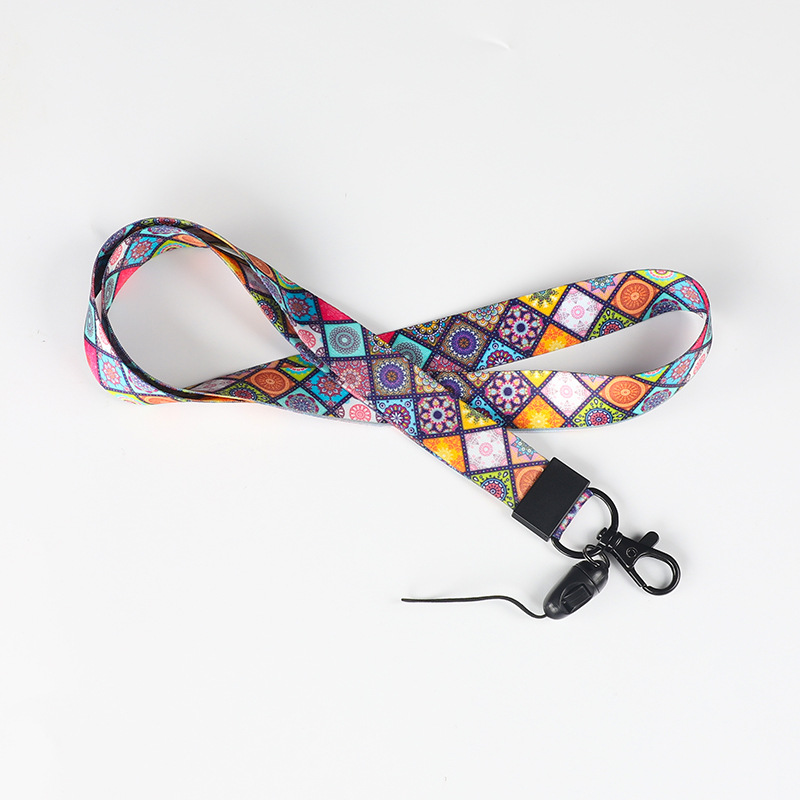
Nylon Lanyards
Nylon is often selected for its smooth surface and distinctive appearance. It can be a suitable choice for projects that require a particular finish or feel.
RPET Lanyards
RPET lanyards are made using recycled PET materials and may be suitable for businesses with specific sustainability goals. Buyers should ask about material sourcing and supporting documentation when environmental claims are important.
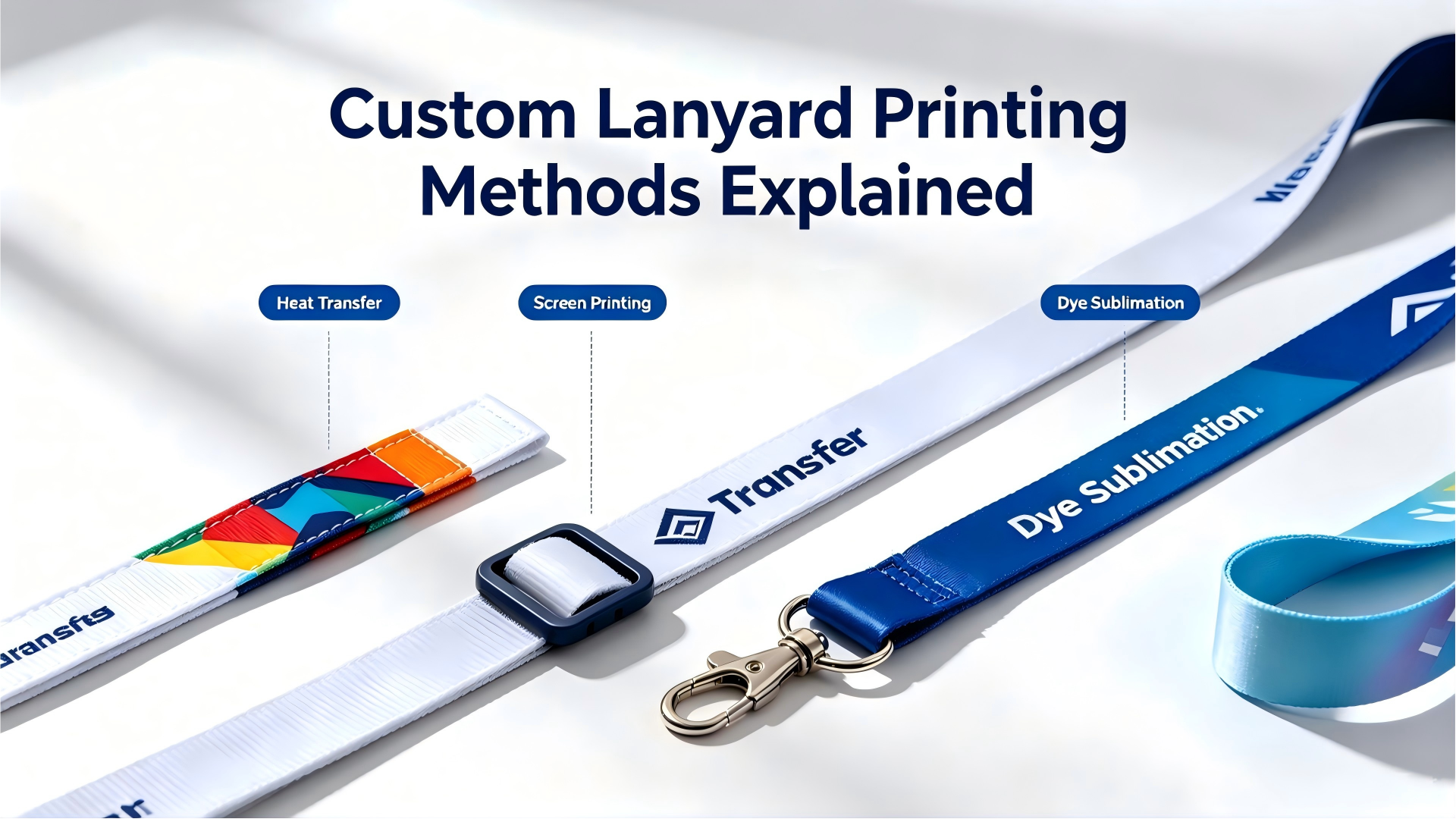
Common Lanyard Printing Methods
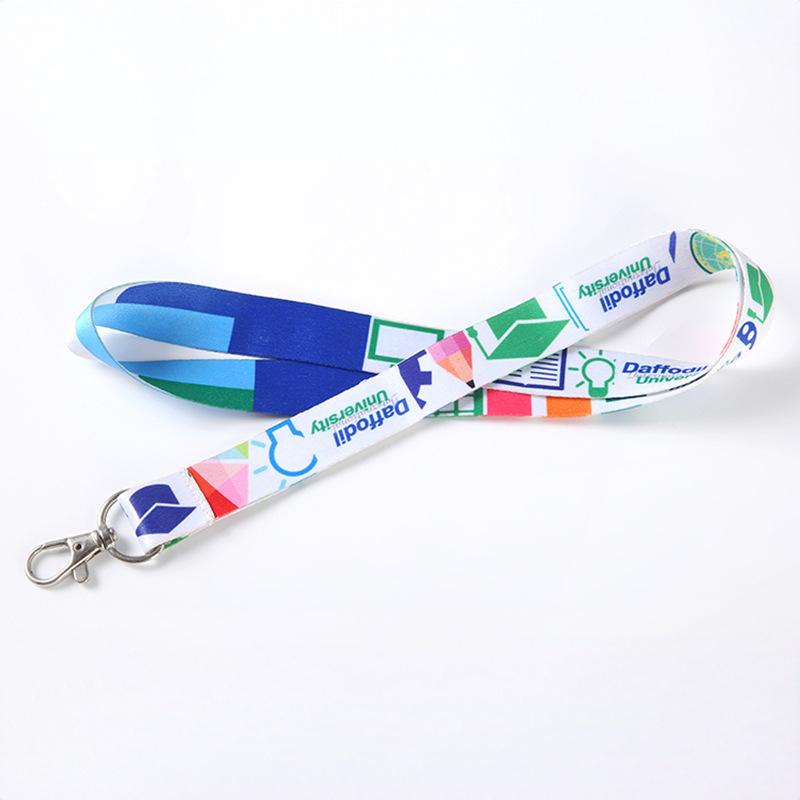
Heat Transfer Printing
Heat transfer printing is suitable for colorful designs, gradients, and detailed artwork when the material and production process are appropriate.
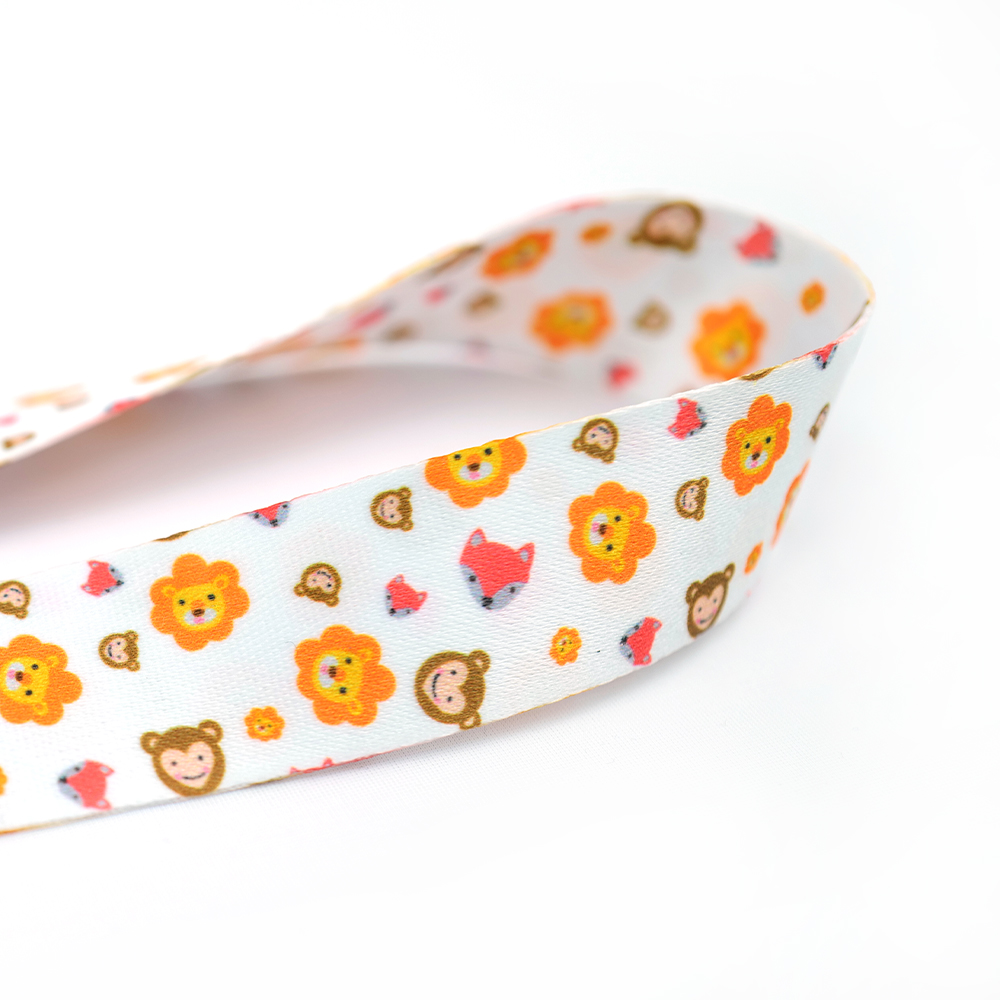
Screen Printing
Screen printing is often used for simpler logos and designs with clearly defined colors.
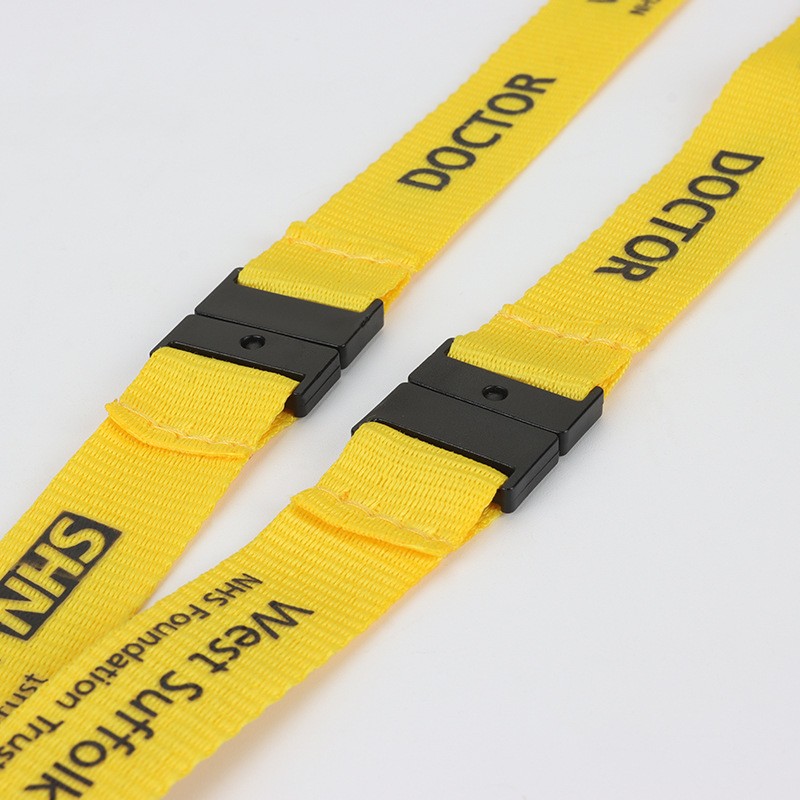
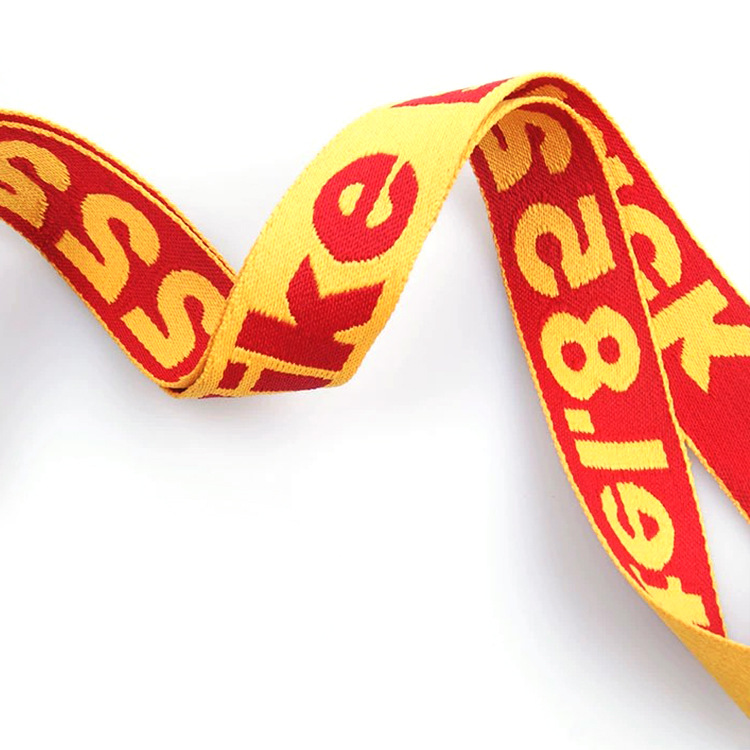
Jacquard Weaving
Jacquard lanyards incorporate patterns and logos into the woven structure of the webbing rather than printing them onto the surface.
The most suitable method depends on your artwork, material, order quantity, budget, and desired appearance. An experienced manufacturer should explain the differences and help you choose the appropriate option for your project.
5. Confirm Production Lead Times and Order Flexibility
Delivery schedules are especially important for promotional campaigns, trade shows, corporate events, and product launches.
Before placing an order, ask the manufacturer to clarify:
Sample preparation time
Estimated bulk production lead time
Material and accessory availability
Packaging requirements
Shipping arrangements and estimated transit time
Remember that production time and shipping time are different. International shipments may also be affected by customs clearance, transportation schedules, and other factors.
A reliable supplier should provide realistic estimates and communicate promptly if a potential delay arises.
Minimum order quantity (MOQ) is another important consideration. Ask whether the manufacturer’s MOQ fits your business model and whether smaller trial orders or recurring bulk orders can be accommodated.
Clear communication about quantities, delivery dates, and order requirements helps prevent misunderstandings later.
6. Look for Clear Communication and Customization Support
Good communication can prevent costly mistakes during custom product manufacturing.
A dependable lanyard manufacturer should be willing to discuss your requirements, review artwork, confirm specifications, and explain any production limitations before work begins.
When evaluating a supplier, consider whether they:
Respond clearly to technical questions
Review artwork and identify potential production issues
Confirm colors, dimensions, materials, and attachments
Provide updates during sampling and production
Help resolve issues when specifications need adjustment
Artwork review is particularly important for custom lanyards. Small text, fine logo details, image resolution, and design placement can all affect the final result.
For promotional product distributors, this support is especially valuable because the manufacturer may be working with designs and requirements provided by the distributor’s own customers.
The easier it is to exchange accurate information, the easier it becomes to manage orders efficiently.
7. Consider Experience, Certifications, and Long-Term Partnership Potential
Price matters, but choosing a supplier based only on the lowest quotation can create additional costs if quality, communication, or delivery is inconsistent.
Consider the manufacturer’s industry experience, product range, quality management practices, and ability to support repeat orders.
You can also ask whether the supplier holds relevant certifications, such as ISO 9001 for quality management, or has undergone applicable social compliance assessments. Always verify the validity and scope of certifications that are important to your purchasing requirements.
For long-term business relationships, consistency is particularly important. A supplier who understands your specifications and maintains reliable production standards can make repeat orders easier to manage.
TQ Lanyards has been involved in ribbon, webbing, and custom lanyard manufacturing since 2005. We work with customers on customized products, from material and printing selection to sample approval and finished-product production.
Our goal is to provide practical customization options, clear communication, and careful attention to product details throughout the manufacturing process.